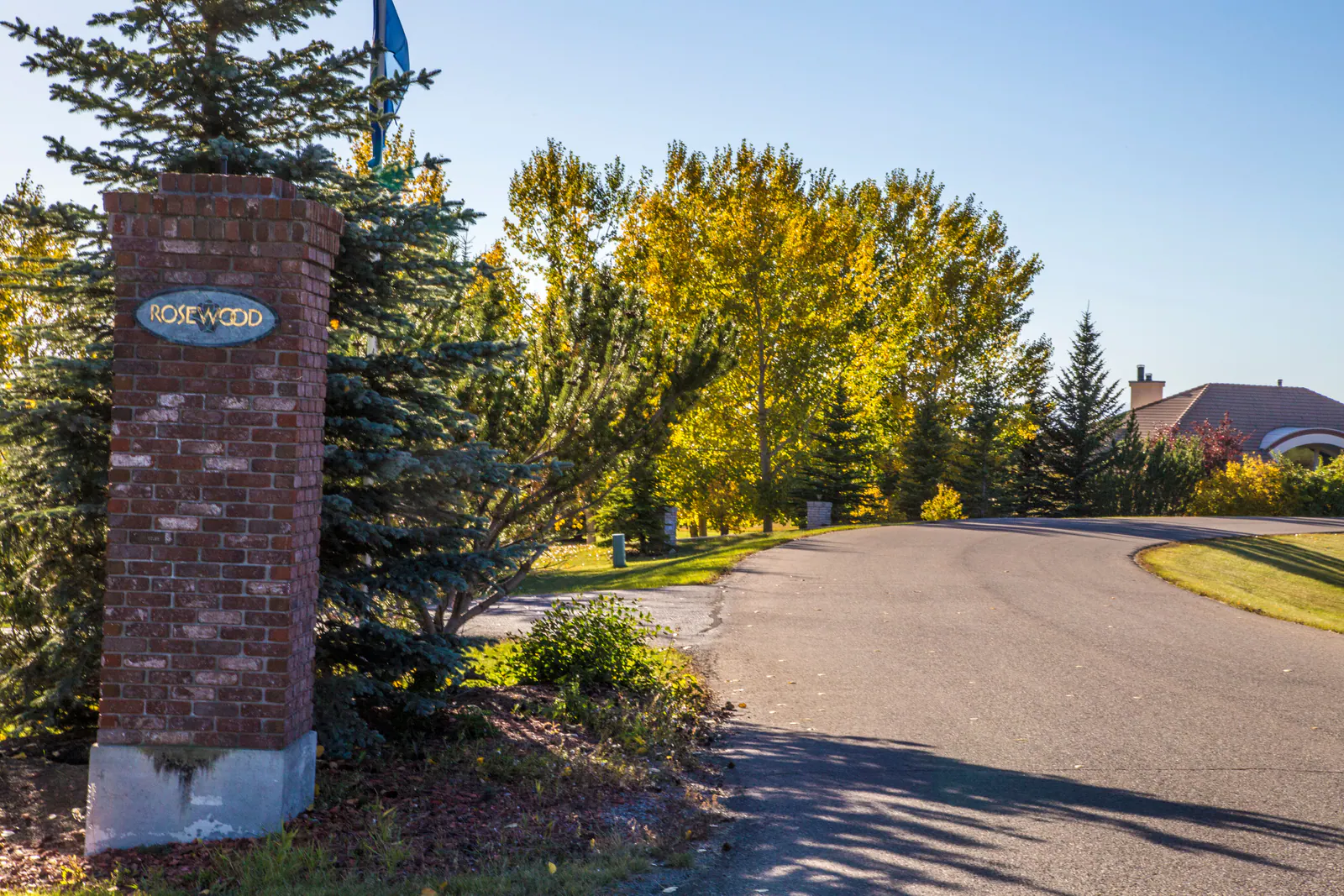

Rural Alberta built much of its own utility network. Power and gas on many acreages still flow through member-owned co-operatives, which shapes who you call, what you pay and how extensions are priced.
- Gas co-op customers
- 165,000+
- Co-op gas pipelines
- 100,000+ km
- Broadband commitment
- Up to $780M
- Rural without target speeds
- 67% (baseline)
Power and rural electrification associations
Rural electrification associations (REAs) are unique to Alberta: member-owned co-operatives that deliver power to rural members within a defined boundary. Operating REAs run their own distribution lines; non-operating REAs contract with the area's distribution company. REAs date to the late 1940s and early 1950s, and their federation traces its origins to 1950.
For a buyer, the questions are who distributes power to the parcel, whether a membership transfers with the land, and the size of the electrical service at the house and outbuildings. A shop with welders, a heated arena or EV charging can outgrow an older rural service quickly.
Natural gas co-ops
According to the Federation of Alberta Gas Co-ops, as cited by the province's Utilities Consumer Advocate, Alberta's rural gas co-ops supply more than 25 million gigajoules a year to more than 165,000 customers through over 100,000 km of pipeline. Co-op customers generally cannot sign with other gas retailers. Some acreages are not on gas at all and heat with propane — ask for a year of bills either way.
Internet: test it at the house
The Alberta Broadband Strategy commits up to $780 million — up to $390 million each from Alberta and Canada — to rural, remote and Indigenous connectivity, and estimates full connectivity would cost about $1 billion. Its baseline figure is stark: 67% of rural Albertans lacked reliable access at federal target speeds of 50/10 Mbps.
Coverage maps describe areas, not houses. If you work from home, run a speed test in the house at the time of day you'll use it, ask the neighbours what they use, and confirm installation — fixed wireless needs line of sight, and fibre needs a build to the property.
Building new: price the extensions first
On bare land or a building site set back from the road, the cost of bringing power, gas and data to the house can be substantial. Get written estimates from each provider before you commit to a site plan, and include the trenching.
Your checklist
- Electricity distributor or REA identified; service size at house and shop
- Gas co-op or propane supplier and a year of bills
- Internet tested in the house; installation confirmed
- Written estimates for any service extension on a building site
How Dusko uses this
Dusko gathers utility providers and recent bills into the property file, and runs a real speed test in the home — the question buyers now ask right after water.